How to Rid Your Lawn of Quack Grass
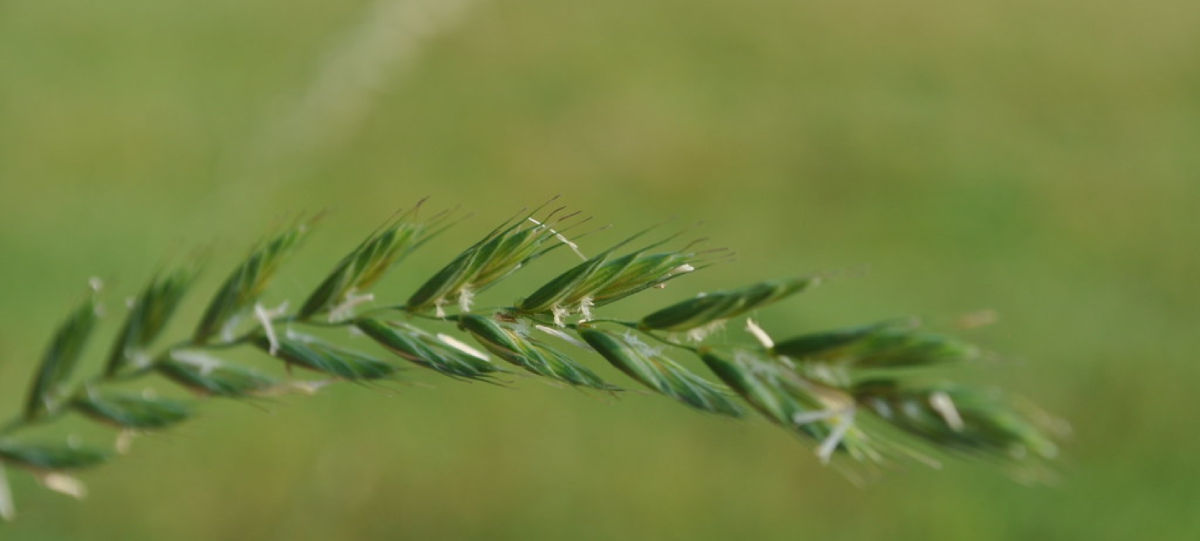
It might not look, or walk, like a duck, but it definitely quacks.
Quack grass is a common and persistent weed that can disrupt the uniformity and health of your lawn. It’s itchy, an eye-sore, and definitely unwanted. Let’s explore the best methods to reclaim your turf from these invasive species.
Identification: Recognizing Quack Grass
Identifying quack grass is crucial for effective management. This perennial grassy weed can often be confused with other grasses due to its broad, flat blades. However, quack grass distinguishes itself with rough-textured blades that have a prominent midrib.
Unlike tall fescue, which also has a coarse texture, quack grass spreads quickly via underground rhizomes—a key characteristic that tall fescue lacks. Additionally, quack grass blades are typically lighter green and more elongated compared to the shorter and darker blades of bluegrass. Its aggressive growth from rhizomes helps differentiate it from other common lawn grasses that spread by above-ground stolons or are bunch-type grasses.
Cultural Control: Maintaining a Healthy Lawn
It may sounds mundane, but a robust, well-maintained lawn is your first line of defense against quack grass:
Regular Mowing: Keep your lawn at an ideal height to discourage weed growth. Mowing too short can stress the grass and make it more susceptible to invasions. Remember to leverage the 1/3 rule when cutting your grass.
Adequate Fertilization: Use a balanced fertilizer to nourish your grass, enhancing its density and ability to outcompete weeds. Quack grass spreads underground, so a thicker and fuller lawn will help limit its ability to spread.
Proper Watering: Deep, infrequent watering encourages deeper root growth, which strengthens your lawn against weeds. Again, along with proper fertilization, these techniques will help get that thick turf needed to improve resilience against quack grass.
Also, while these techniques are great against quack grass specifically due to its underground spread via rhizomes, it’s also tremendous tips for general weed prevention.
Chemical Control: Selective Herbicides
When cultural methods aren’t enough, selective herbicides can be a great step:
Post-Emergent Herbicides: Products containing the active ingredients such as glyphosate can be effective but should be applied with precision to avoid damaging desirable grasses. We of course love to use our own Lawn Liberator for very focused application, and encourage whatever method you use to be accurate and direct. Improper application will harm your green grass.
Persistence is Key: Quack grass is resilient, and multiple applications may be necessary to fully eradicate it.
Natural Alternatives: Safer Options
For those preferring less chemical use, consider natural herbicides or organic methods:
Vinegar-Based Solutions: A strong vinegar solution can burn the foliage of young quack grass, although it may not kill the roots. Multiple applications are likely necessary, but this would be a solid long-term solution.
Corn Gluten Meal: As a pre-emergent, corn gluten meal can help prevent the germination of quack grass seeds if you’re dealing with an annual variety.
Mechanical Methods: Physical Removal
Physical removal can be effective, especially in smaller areas:
Digging Out: For small patches of quack grass, use a garden spade or fork to dig out the roots and rhizomes. Ensure you remove the entire root system to prevent regrowth. If you’re just pulling the leaves off, you will continue to see growth of the weed over time.
Solarization: During the hot summer months, cover quack grass patches with clear plastic to trap heat and kill the weed. This method is a bit more unique, but it’s an approach that can work if the roots are too deep.
Integrated Approaches: Combining Techniques
Combining various methods often yields the best results. Regularly monitoring your lawn and addressing new growth promptly can keep your lawn virtually free of quack grass and other similar weeds.
The Lawn Liberator: A Helping Hand
Of course, we’ll give a nice shoutout to our solution, "The Lawn Liberator." The build of the Liberator is tailor made for easily applying both chemical and natural herbicides directly to weeds, ensuring a timely death of these agitators.
By understanding quack grass and applying a combination of cultural, mechanical, chemical, and natural methods, you can maintain a lush, healthy, and weed-free lawn. Remember, persistence and a proactive approach are key in managing invasive grasses like quack grass.